24.03.2026
Sauna in the morning or evening – how to choose the right time for your body

Sauna in the morning or evening is not just a question of timing. It is a question of rhythm. Our circadian rhythm influences hormones, body temperature, and the state of our nervous system.
Because of this, a morning sauna can feel energising, while an evening sauna can be calming. The question is not so much when you “should” sauna, but what kind of effect you need in that moment – energy or recovery.
Morning sauna benefits: an energising start to the day
The main benefit of a morning sauna lies in awakening both body and mind. In the morning, cortisol levels are naturally higher – this is the hormone that helps us wake up and become alert. Heat enhances this natural activation process.
Sauna also raises the heart rate in a way similar to moderate exercise. Circulation increases, blood vessels dilate, and the body receives a strong yet controlled “wake-up signal.”
A morning sauna:
• stimulates circulation and metabolism;
• increases endorphin levels and improves mood;
• helps muscles wake up before a workout or workday;
• enhances mental clarity and focus.
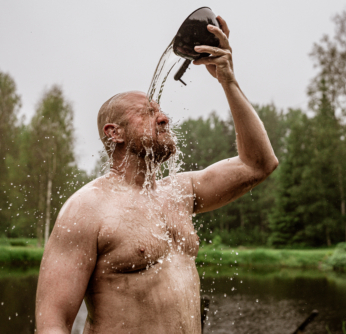
For many people, a short morning sauna combined with a cool shower or a dip in cold water works like natural caffeine. The contrast between heat and cold activates the nervous system and can create a sense of freshness that lasts for hours.


If you choose a morning sauna
- Keep your session relatively short: 5–10 minutes at a time.
- Choose a moderate temperature.
- Finish with a cool shower or fresh air.
- Make sure to stay hydrated.
A morning sauna is especially beneficial for remote workers, athletes, and during the colder, darker months when energy levels tend to drop.
Evening sauna: a conscious end to the day
The benefits of an evening sauna are closely linked to calming the nervous system and bringing the day to a conscious close. Throughout the day, the sympathetic nervous system dominates – the part responsible for action and response. An evening sauna helps activate the parasympathetic nervous system, also known as the “rest and recover” state.

Body temperature also plays an important role. In order to fall asleep, the body’s core temperature needs to drop. A sauna temporarily raises body temperature, and the cooling that follows signals to the brain that it is time to rest.
An evening sauna:
- lowers stress hormone levels;
- relaxes muscles after a demanding day;
- supports the body’s natural cooling process;
- may improve sleep onset and overall sleep quality.
If you choose an evening sauna
- Go to the sauna 1–2 hours before bedtime.
- Keep the pace slow and relaxed.
- Avoid intense cold exposure right before sleep.
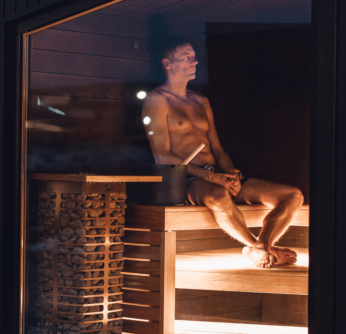
- Create a calm atmosphere with soft lighting.
An evening sauna can also serve as a form of intentional digital detox. When you leave your phone in another room and allow yourself to simply be, the sauna becomes a ritual that separates you from the day.
Morning vs evening sauna: key differences
The main difference between a morning and an evening sauna lies in their effect on the nervous system and energy levels.
| Morning Sauna | Evening Sauna |
|---|---|
| Energising | Calming |
| Boosts energy | Supports recovery |
| Suitable before a workout | Ideal after a demanding day |
| Short and stimulating | Longer and more relaxing |
If your goal is a productive and focused day, a morning sauna may be the better choice. If you’re aiming for better sleep and stress relief, an evening sauna is likely more effective.
What does science say about sauna timing?
Research on sauna timing is mainly linked to body temperature, hormones, and the rhythms of the autonomic nervous system.
Core body temperature is lowest in the early morning and highest in the late afternoon.
Cortisol levels naturally peak in the morning.
For sleep to occur, body temperature needs to drop.
Sauna bathing does not change these rhythms, but it can amplify them. In the morning, it enhances the body’s natural awakening process; in the evening, it supports relaxation and winding down.
Regular sauna use has been associated with improved cardiovascular health, reduced stress, and overall well-being—regardless of the time of day. Timing mainly influences the nature of the experience rather than its long-term benefits.
The best time to sauna depends on what your body needs in the moment. For energy and mental clarity, choose a morning sauna. For relaxation and better sleep, opt for the evening.
For most people, an evening sauna is slightly more versatile, as it helps release the tension of the day and supports falling asleep. A morning sauna, on the other hand, is a great choice if you need a more energising and alert start to your day.
The most reliable way to find what works for you is simple: try both and notice how your body responds.
A cultural perspective: when has sauna traditionally been used?
In Nordic cultures, sauna has traditionally been an end-of-day ritual—a place to cleanse, unwind, and spend time together with family.

Modern lifestyles are more flexible: remote work, adaptable schedules, and a more conscious approach to well-being have brought sauna into the morning as well. This does not diminish tradition—it expands its possibilities.
The best time to sauna is the time that supports your balance
Sauna does not have to follow the clock—it can help you tune into your natural rhythm instead.
HUUM’s recommendation: find your own sauna ritual
Sauna is more than just heat—it is a space where time slows down and attention turns inward. HUUM believes that sauna should support your natural balance, whether it’s a quiet morning before the world awakens or a calm evening after a long day.
Find the time that helps you restore. Shape it into a conscious ritual: softer lighting, a slower pace, and high-quality steam. Sometimes a short burst of morning heat is enough; other times, the body calls for deeper evening relaxation.
Listen to your body. Find your balance. And let the sauna do the rest.