25.03.2026
3 sauna myths that affect your sauna experience
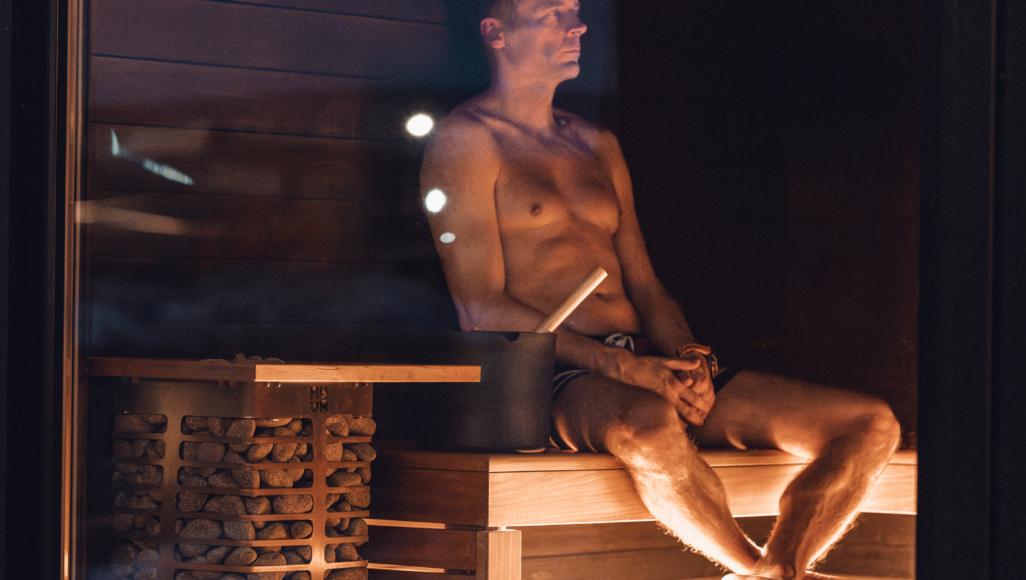
Sauna culture is built on tradition. But just as important is understanding how a sauna actually works.
Over time, a number of beliefs have spread that don’t quite reflect reality, yet continue to be passed on. These myths can subtly shape how we use the sauna—and how much we truly enjoy it.
A good sauna doesn’t happen by accident. It comes from knowledge, the right choices, and a sense of balance.
Let’s take a closer look at three common sauna myths that deserve to be reconsidered.
“You can’t throw water on an electric heater”
This is one of the most common misconceptions. Many people believe that an electric heater automatically means a dry sauna, and that leil* belongs only to wood-burning sauna stoves.
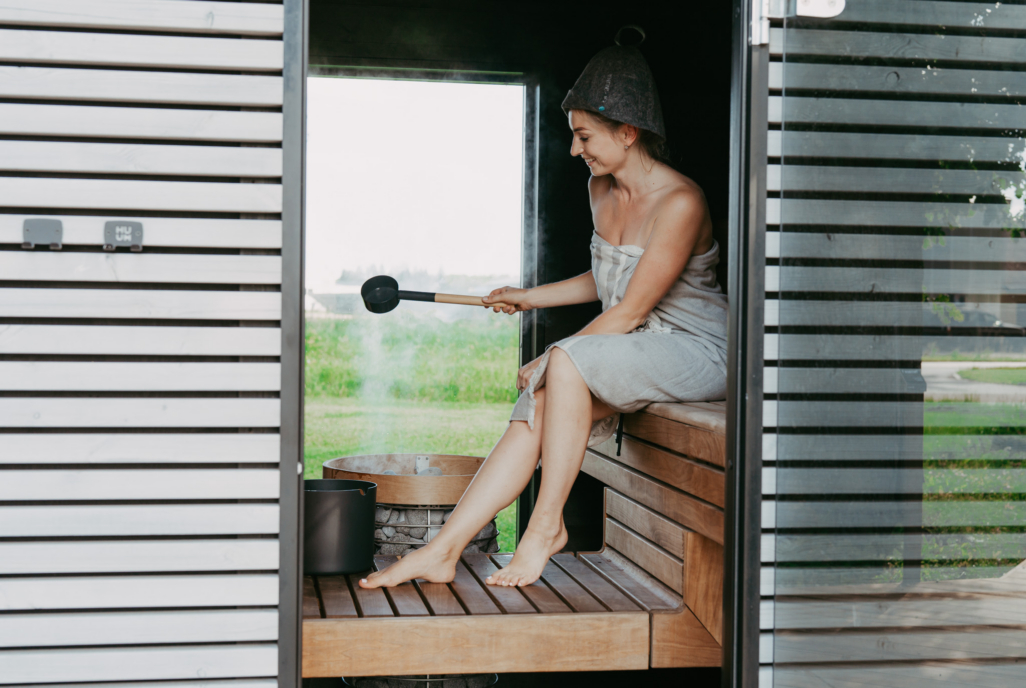

In reality, leil is always created in the same way—water evaporates on hot stones and fills the room with soft, humid heat. The heat source itself is not the deciding factor.
Most modern electric heaters are designed for throwing water on the stones. When the stones are hot enough and there are enough of them, the result is a soft and even leil. An electric heater does not eliminate leil —it allows you to shape it more consciously.
The feeling of a “dry sauna” often comes from having too little stone mass or adding water too rarely. With a larger volume of stones, the leil becomes softer and longer-lasting. This kind of steam lingers in the room and feels more comfortable on the skin.
If you’re wondering whether and how to use water in an electric sauna, the answer is simple: you can but it should be done mindfully. Make sure the stones are properly heated and add water gradually, in smaller amounts. Read more about how to throw water on an electric heater.
“More power means better performance”
Power alone does not define a good sauna experience.
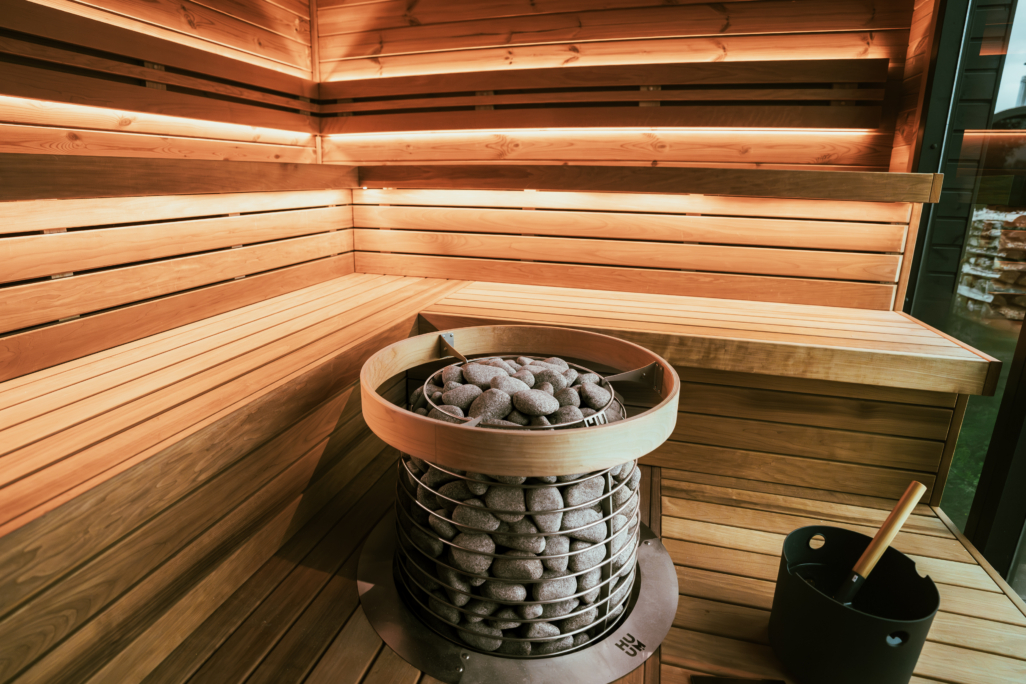
A heater that is too powerful heats the air quickly but doesn’t give the stones enough time to store heat. The result is dry, intense heat where the leil dissipates quickly—often feeling uncomfortable on the body.
A heater that is too small, on the other hand, never reaches balance. The temperature fluctuates and heating the sauna takes longer.
It’s not about maximum power—it’s about the right fit.
The size of the sauna, materials, glass surfaces, and ventilation all affect which heater works best. When these elements are in balance, the sauna experience becomes more even—heat and leil support each other rather than compete.
If you want to understand how to choose the right heater for your sauna, read more here: How to choose the right heater output for your sauna.
“Electric heater = sharp 𝑙𝑒𝑖𝑙”
The character of leil does not depend on whether the heater is electric or wood-fired.
It depends on the amount of stones, their placement, and how heat is stored within them.
Sharp leil is often associated with electric heaters, but this idea comes from a time when most electric heaters had a small stone capacity. When there are fewer stones, they heat up quickly to very high temperatures, causing water to evaporate rapidly—resulting in a sudden, intense burst of leil .
In reality, the heat source is not what defines leil quality. What matters most is the amount of stones. The more stones a heater has, the more heat they can store, and the softer and more even the leil becomes.
Heaters with a large stone mass allow you to add water gradually, creating a calm, long-lasting leil that gently surrounds the body rather than burning the skin. That’s why good leil can be achieved with both electric and wood-fired heaters—if the design supports it.
A good sauna is about balance
A sauna doesn’t need to be as hot as possible. A heater doesn’t need to be as powerful as possible. Leil doesn’t need to be maximal.
A good sauna is balanced.
It’s a moment where heat, humidity, and time move in the same rhythm. Where each wave of leil rises gently and lingers long enough to be fully experienced.
When you let go of myths and understand how a sauna truly works, the experience changes.
Simpler. Deeper. Better.
*𝑙𝑒𝑖𝑙 – steam that is created by pouring water over hot sauna stones