25.03.2026
Sauna after running – a natural part of Estonian movement and sauna culture
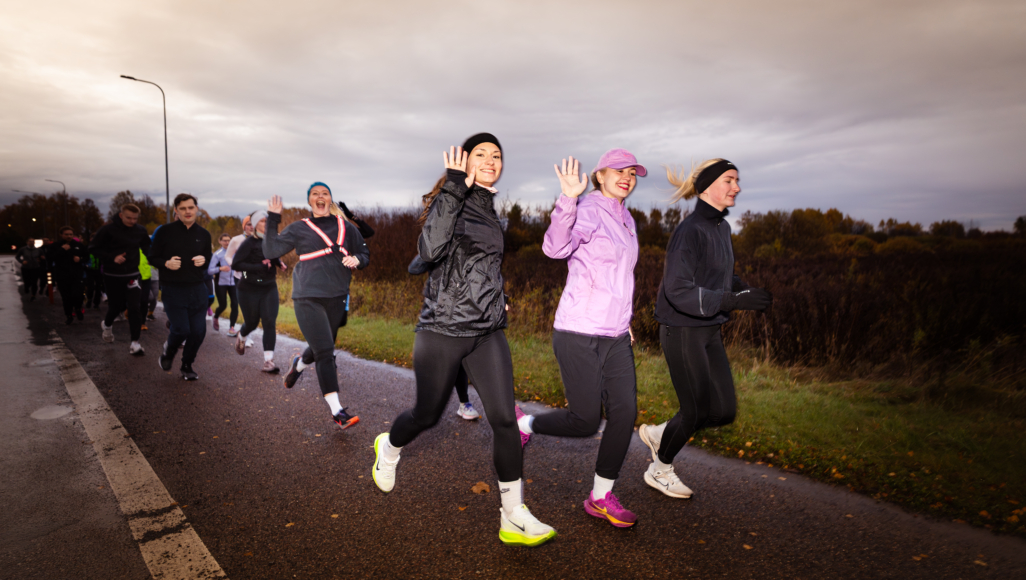
You’ve just finished your run. The air is cool, your body still warm. Your breathing begins to slow.
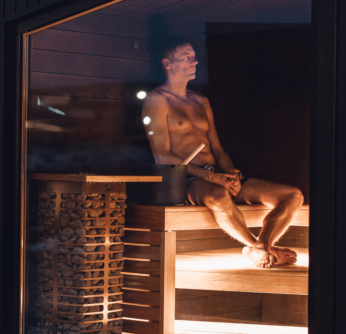
A little later, you sit in the sauna. The wood is warm, the space quiet. Steam rises gently, filling the room with soft heat.
Your muscles begin to release. Your thoughts settle.
This is the moment when movement turns into rest.
Sauna after running is not just a pleasant way to end a workout. It is a transition — from activity to presence. This is where the body truly begins to recover, and the mind lets go of the pace of the day.
Movement and heat – a natural rhythm
In Estonia, running and sauna are not a random combination. Long before recovery protocols or biohacking trends, movement and heat were already part of a natural rhythm.
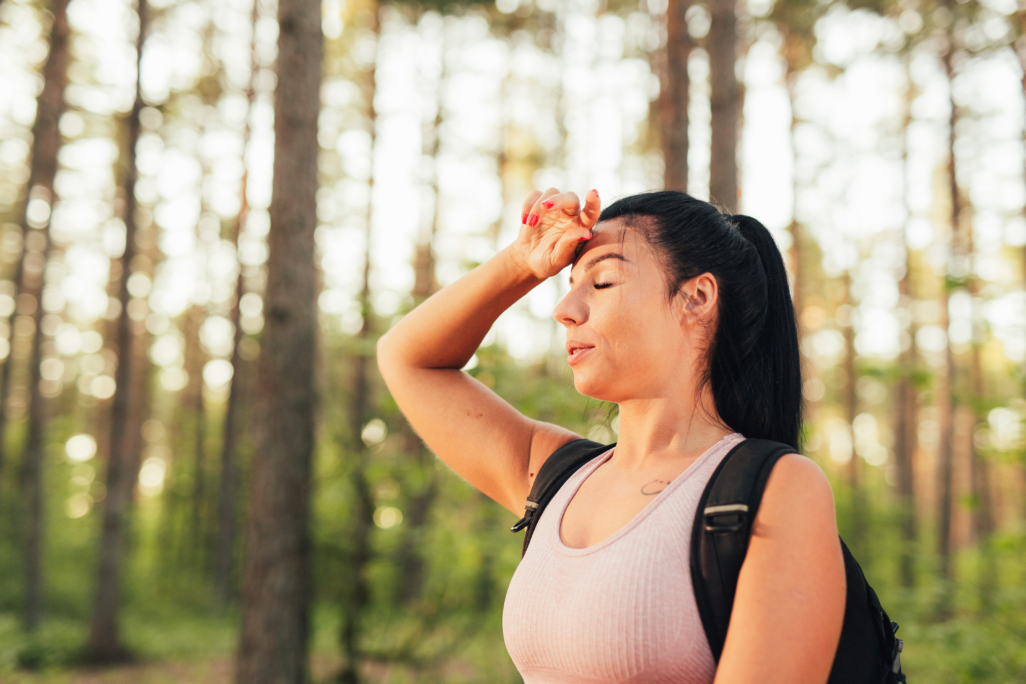
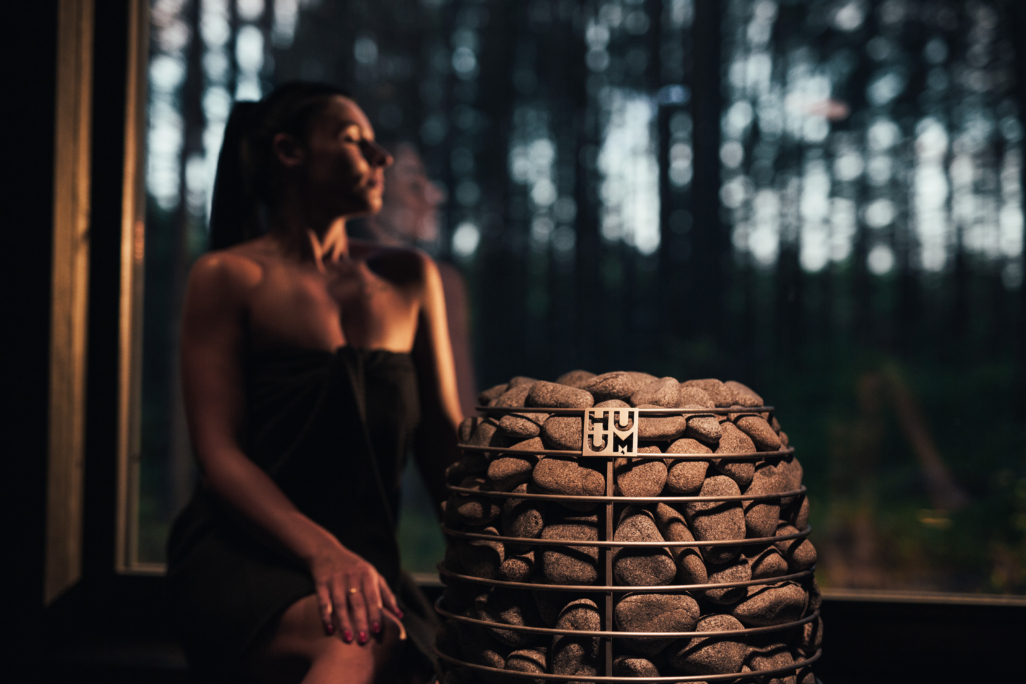
Physical activity has always been part of everyday life. Today, it has become a conscious choice — a way to move through forests, follow your own pace, and clear your mind. Running is not only physical exercise, but also a way to reconnect with yourself.
The sauna completes this experience. It does not simply add relaxation — it helps the body integrate what it has just experienced. If movement creates energy, heat allows it to settle.
Sauna as a space for recovery and reset
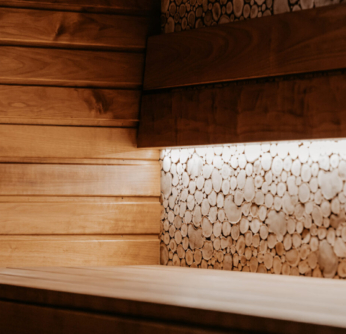
There is something about the sauna that is difficult to define. It is not only the heat, but the space itself — the materials, the light, the quiet.
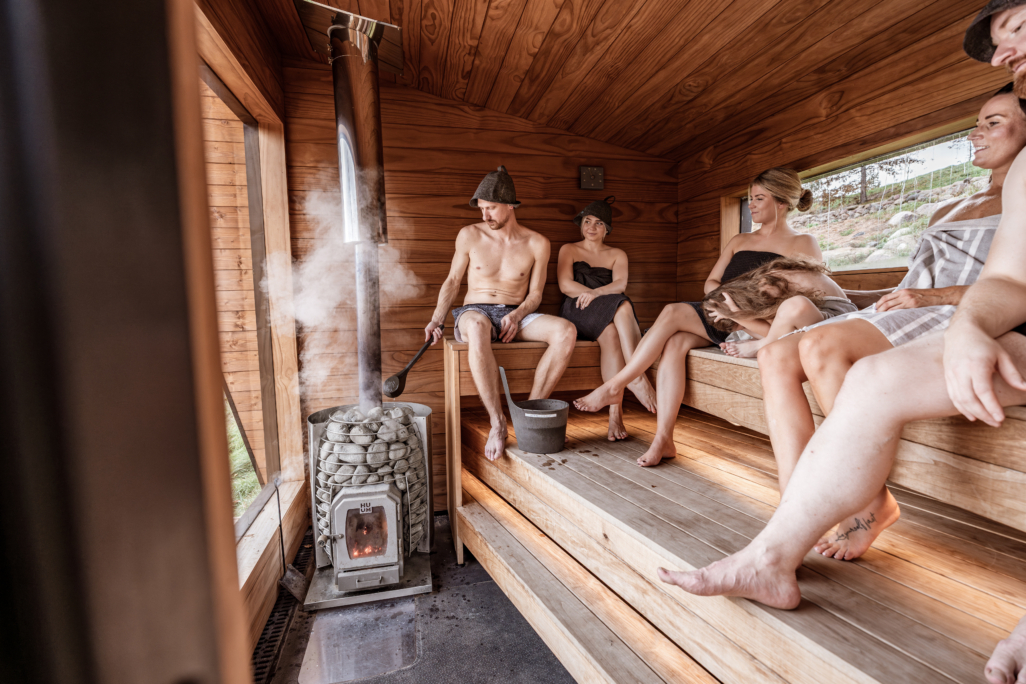
Wood breathes, heat gathers in layers, and time seems to slow down. It is an environment without excess — only what is essential.
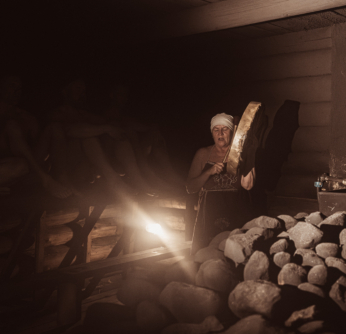
Traditionally, sauna has been a place to cleanse and recover. After a long day of physical work, people would step into the heat, let the steam do its work, and leave feeling lighter.
The same applies after running.
The body, which was in motion just moments ago, can now simply be.
How sauna supports recovery after running
After a run, muscles need time and support to recover. In the sauna, the body responds naturally — blood vessels dilate, circulation increases, and muscles receive more oxygen and nutrients.
This creates the conditions for a smoother recovery process.
Heat also affects muscle tone. Tight muscles begin to relax, movement becomes easier, and the body feels lighter overall. Many people notice less stiffness or soreness the following day.
The role of the nervous system in recovery
Recovery is not only about muscles. The nervous system plays an equally important role.
Running activates the body and brings it into a state of effort. Recovery begins when the body receives the signal that it can relax.
In the sauna, this shift happens naturally. Breathing slows, heart rate decreases, and the body moves toward balance. It is the moment when physical effort gives way to calm.
When to go to the sauna after running
Timing matters. The best time to enter the sauna is once the body has had a chance to settle — usually about 15–30 minutes after your run.
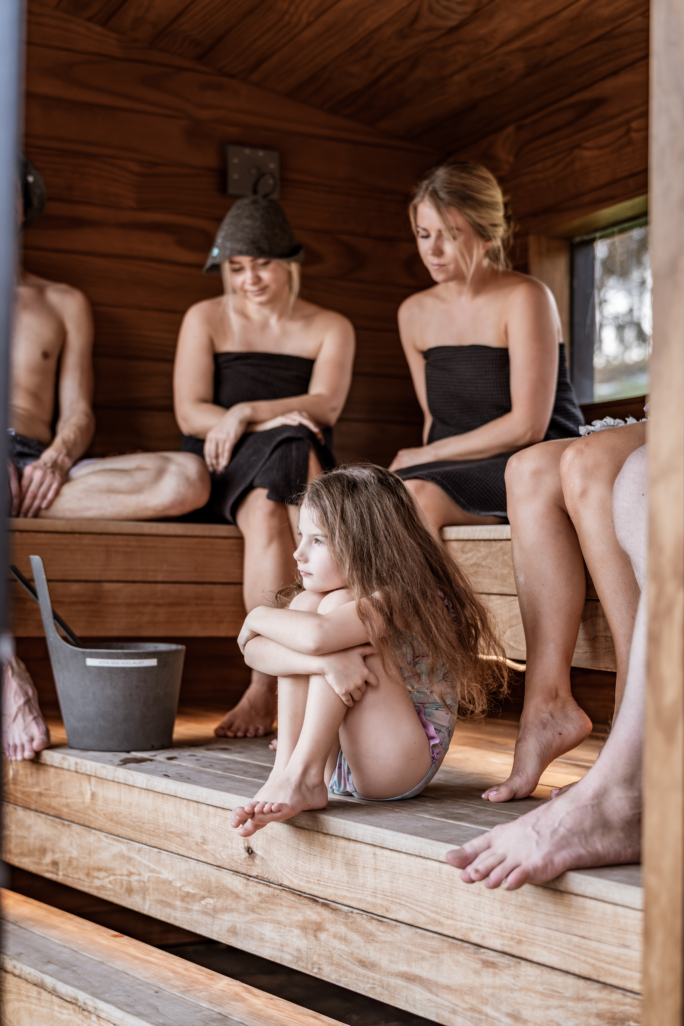
During this time, your heart rate drops and your breathing becomes more even. Entering the sauna immediately after intense exercise may place additional stress on the body.
A short pause makes the experience more supportive and balanced.
How long and how to stay in the sauna
The sauna is not a place to push yourself. After running, a calm and mindful approach works best.
As a general guideline:
- stay in the sauna for about 8–15 minutes at a time
- start on a lower bench and move higher if comfortable
- allow your body to cool down between sessions
The most important thing is to listen to your body. Recovery does not require intensity — it requires time and awareness.
Hydration and balance
Both running and sauna cause the body to lose fluids. That is why it is important to drink water before entering the sauna and to stay aware of how you feel throughout the session.
If you feel dizzy or overly fatigued, it is best to take a break. Recovery should support the body, not exhaust it.
Hot and cold contrast – refreshing and balancing
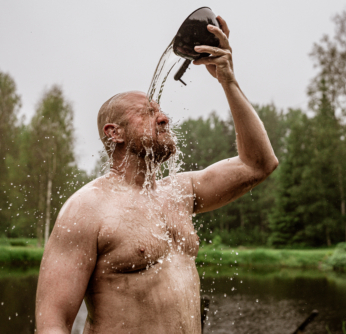
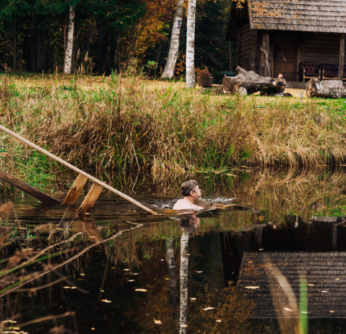
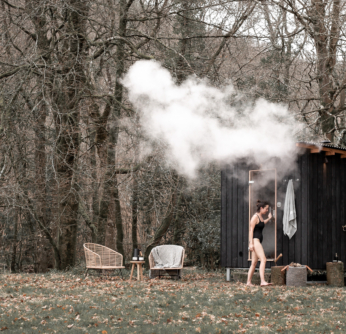
One of the most distinctive elements of sauna culture is the contrast between heat and cold. Stepping into fresh air, a cold shower, or even snow creates a clear and invigorating shift.
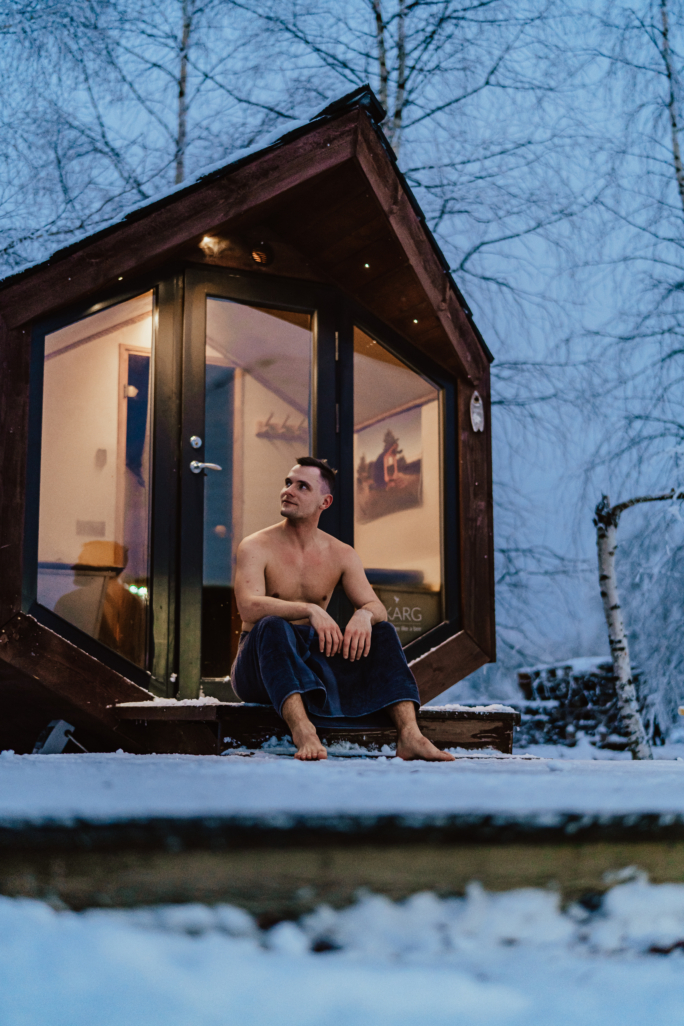
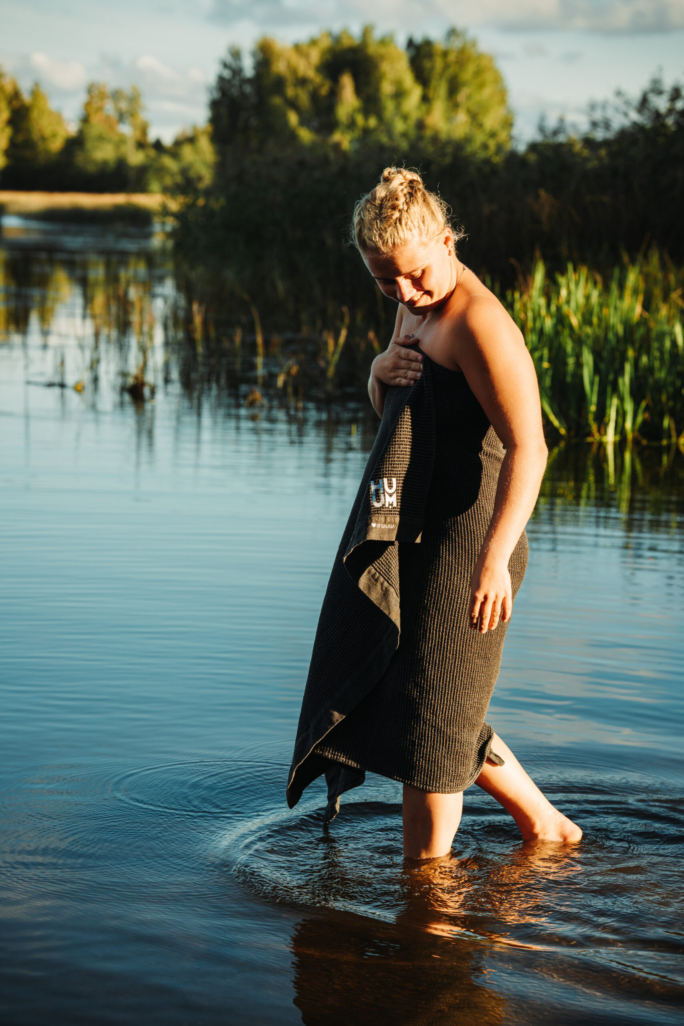
This contrast stimulates circulation and helps the body adapt. It can feel both calming and energising at the same time.
Sauna as a mental pause
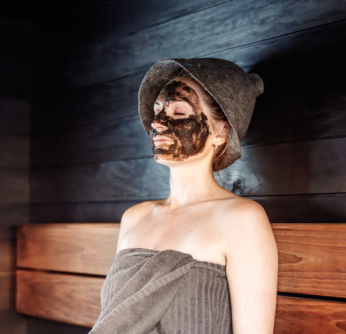
Sauna offers something increasingly rare — a moment without distractions. No screens, no notifications, no urgency.
Only warmth, quiet, and slow breathing.
After running, this pause allows the experience to settle. The body recovers, and the mind finds space to rest. It creates a sense of completion.
When to be cautious
While sauna is generally safe, there are situations where caution is needed.
Avoid the sauna if you are dehydrated, feeling unwell, or experiencing dizziness. If you have cardiovascular conditions or other health concerns, it is advisable to consult a medical professional.
Recovery should support your wellbeing, not challenge it.
Sauna after running – a simple but meaningful ritual
When running and sauna become a conscious routine, they turn into something more than exercise and relaxation.
They create a rhythm. Steps on the trail, heat on the skin. Warmth that builds, and quiet that remains.
Something that does not need to be explained.
Only experienced.
A quiet invitation to slow down
Sometimes, it is not about doing more, but less. Moving, breathing, sitting in warmth, and allowing the body to do its work.
Whether after a run or at the end of a long day, the sauna is a place where the pace changes and attention returns inward.
A space where every detail supports that experience.